

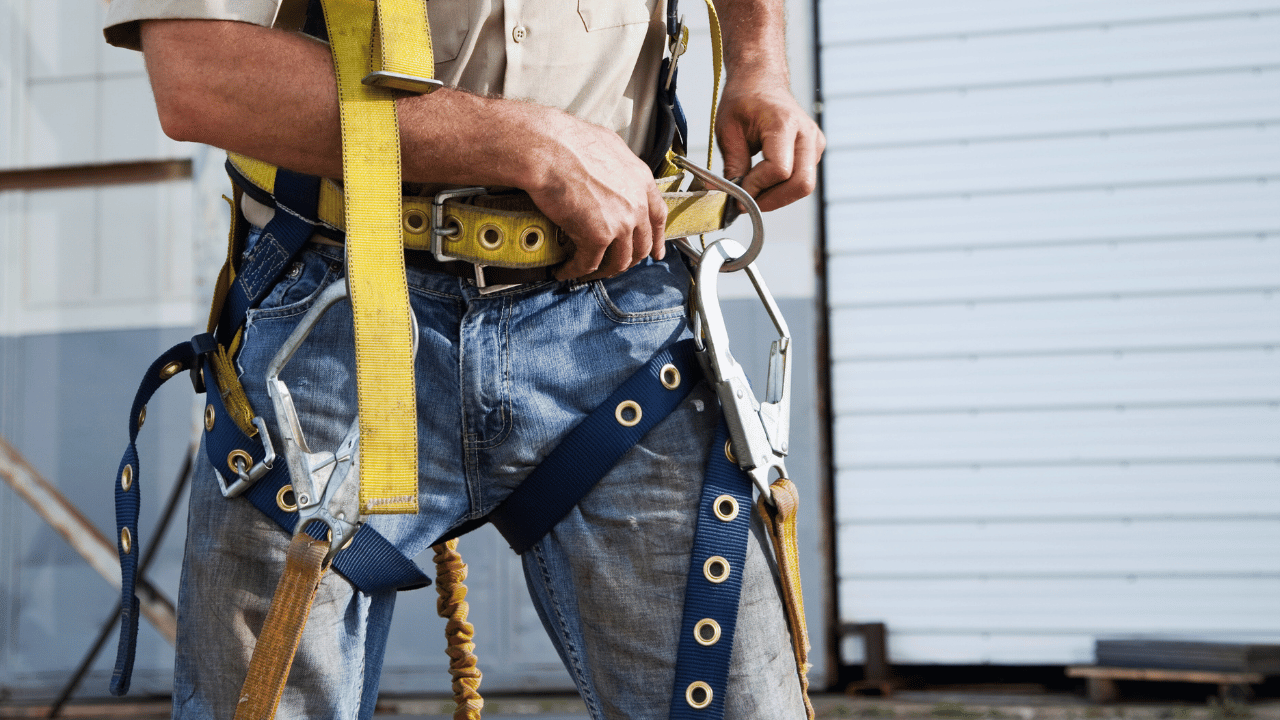
A strong safety-first culture on job sites doesn’t happen by accident. It’s built day by day, conversation by conversation, and it starts with leadership. For owner-operators and foremen across Newfoundland and Labrador, safety isn’t just about meeting regulations. It’s about making sure everyone goes home in the same condition they arrived, whether the job is in downtown St. John’s, a rural outport, or a remote work site.
Safety culture is less about binders and policies, and more about habits, expectations, and accountability. When safety becomes part of how work is done, not something extra, job sites run smoother, injuries drop, and crews take more pride in their work.
Lead by example, every single day
Crews notice everything. If a foreman skips PPE or shrugs off a near miss, that behaviour spreads fast. On the flip side, when leaders consistently follow safety procedures, it sends a clear message that safety matters.
This means wearing proper gear, following lockout procedures, and stopping work when conditions aren’t right. In Newfoundland, the weather can change quickly. High winds, ice, and poor visibility are part of the reality. Leaders who adjust plans instead of pushing through unsafe conditions build trust and respect with their crews.
And it’s not about barking orders. It’s about showing that safety applies to everyone, regardless of role or experience.
Make safety part of the daily routine
Safety talks shouldn’t feel like a checkbox. Short, focused toolbox talks at the start of the day can make a real difference when they’re relevant to the work being done.
Talk about the specific hazards on site that day. Slips on icy surfaces, heavy equipment movement, confined spaces, or working at heights. In Newfoundland and Labrador, seasonal risks matter too. Winter conditions, early darkness, and wet environments increase the chance of accidents if they’re not addressed upfront.
When safety discussions are practical and tied to real tasks, crews are more likely to pay attention and speak up.
Encourage accountability without blame
A safety-first culture doesn’t mean zero tolerance for mistakes. It means zero tolerance for ignoring hazards.
Workers should feel comfortable reporting near misses, unsafe conditions, or concerns without fear of punishment. That information is valuable. It helps prevent the next incident.
At the same time, accountability still matters. If someone repeatedly ignores safety procedures, it needs to be addressed quickly and clearly. Fair, consistent follow-through shows that safety rules aren’t optional.
The goal is improvement, not finger-pointing.
Empower workers to speak up
Some of the best safety insights come from the people doing the work. Owner-operators and foremen should actively invite feedback from their crews.
Ask simple questions. What feels unsafe today? Is there a better way to do this task? Has anyone noticed a new hazard?
When workers see their input taken seriously and acted on, they’re more likely to stay engaged. Over time, safety becomes a shared responsibility instead of something managed from the top down.
Invest in training that actually sticks
Generic training has its place, but job-specific training is where real learning happens. Make sure workers understand not just what the rules are, but why they exist.
Hands-on demonstrations, refreshers, and mentoring go a long way, especially for younger workers or those new to the trade. In smaller Newfoundland operations, where crews are tight-knit and roles often overlap, cross-training can also reduce risk when someone fills in on unfamiliar tasks.
Training should be ongoing, not a one-time event.
Recognize safe behaviour
People respond to recognition. Calling out safe decisions during meetings or thanking someone for flagging a hazard reinforces the right behaviour.
This doesn’t have to be formal or expensive. Sometimes a quick word of appreciation or a team shout-out is enough. Recognition helps shift the mindset from safety as a rule to safety as a value.
Summary
Building a safety-first culture on every job site takes consistency, leadership, and commitment. For owner-operators and foremen across Newfoundland and Labrador, it’s about setting the tone, embedding safety into daily routines, and creating an environment where everyone feels responsible for looking out for one another.
When safety becomes part of how work is done, not something done after the fact, job sites become more productive, crews stay healthier, and everyone benefits in the long run.
LET'S TALK COVERAGE
Get coverage for your business, home, and car—with advice you can trust.
About Wedgwood Insurance
Wedgwood Insurance has offices in St. John’s & Corner Brook and is Newfoundland & Labrador’s largest independent insurance broker. We provide straightforward home, auto & business insurance advice.
With over 350 Google My Business reviews, experience the Wedgwood difference with expert advice from our dedicated team. We ensure that every client has the coverage that best suits their needs through upfront complimentary consultations and midterm reviews.
Contact Us


